Ponza Insider
Beaches and coves
The best beaches and coves.
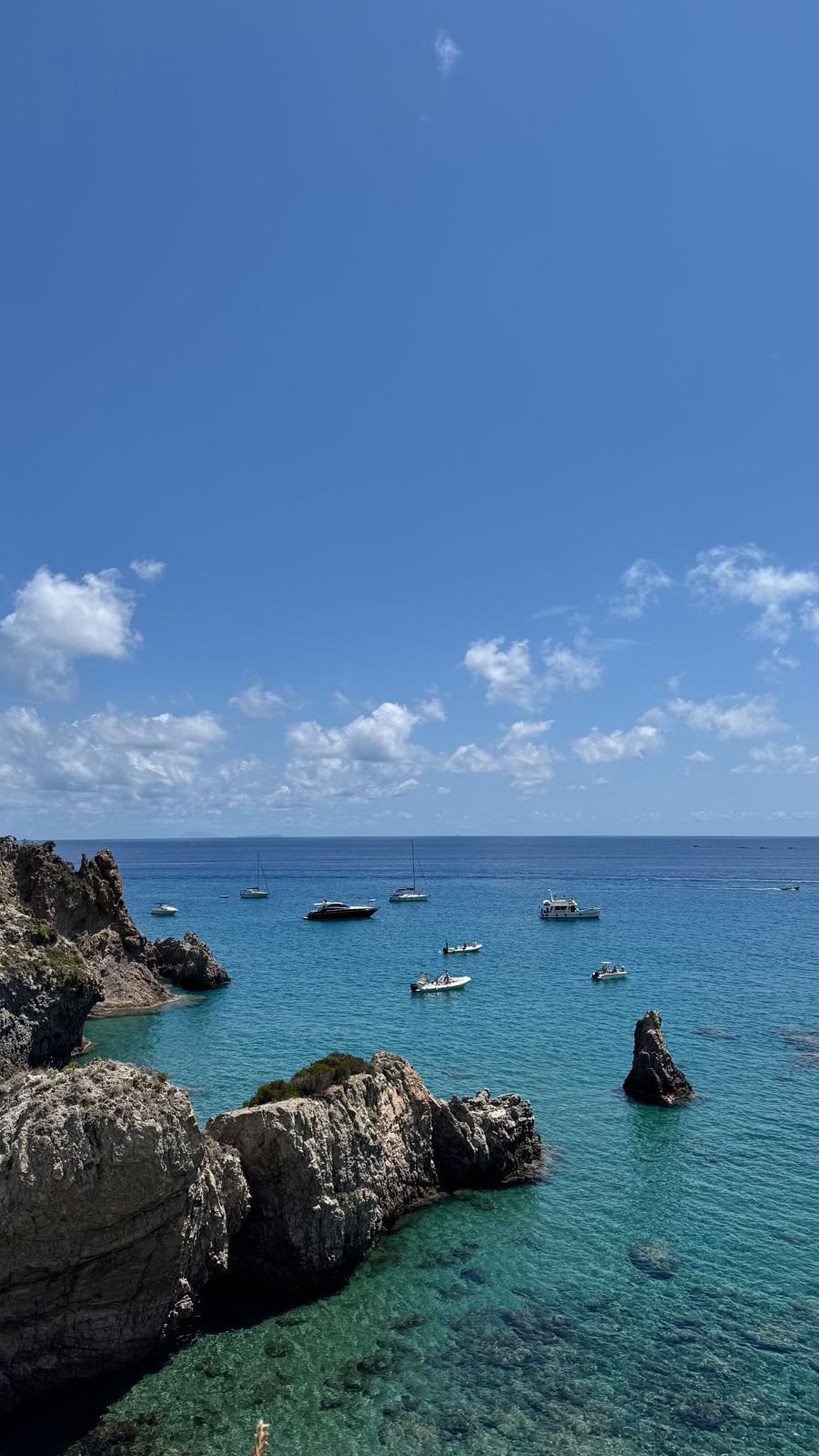
Ponza is called the isola lunata, the moon-shaped island, because it looks like a half moon. That shape means there is always a cove sheltered from wind and waves, whatever the weather. Rounder islands give far less shelter.
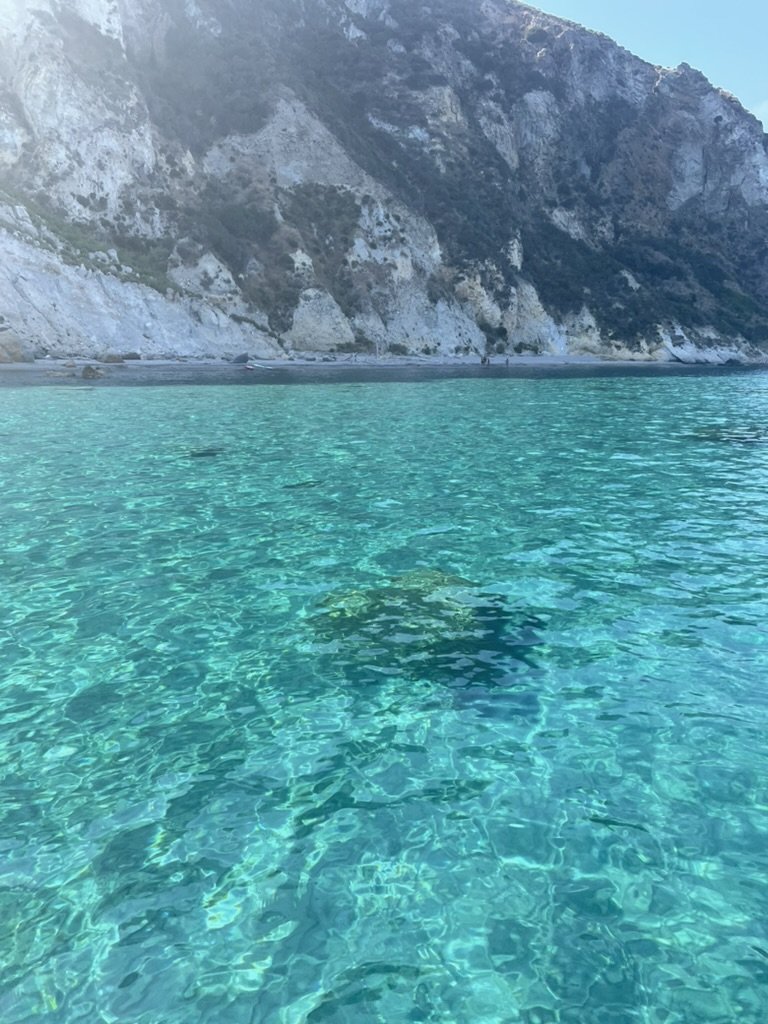
The coast is steep, but the seabed near the shore is shallow, unlike Capri, where the water is deep even a few metres from the rocks. That is where the colours come from: swimming in Ponza feels like swimming in a pool.
Reachable on foot or by road
There are only a few, so they get a little busier: people arrive on foot, by scooter, car or bus.
Giancos. The town beach, in Ponza Porto. It is very good in westerly and north-westerly winds, because it is sheltered and the water is clean. You can swim without leaving town. Sunbeds and umbrellas are for rent.
Cala Feola. On the other side of the island, so you need transport to get there. A lovely sandy beach with sunbeds and umbrellas.
Le Piscine naturali. Just north of Cala Feola, natural pools of sea water in the rocks. Sunbeds and umbrellas are set up on the rocks.
Cala Fonte. Further north, small and charming. To reach the rocks you take a little boat that a man pulls across by rope. Sunbeds and umbrellas here too.
Frontone. The biggest beach. A shuttle boat leaves the harbour, near where the ferries dock, about every 15 minutes for most of the day (the trip takes 10 minutes), for €5. There are two beach clubs with sunbeds and umbrellas, and a café with some food. Walk over the rocks on the right of the beach and you reach Enzo, the restaurant in our Where to eat section: he has sunbeds and umbrellas, lunch of spaghetti alle vongole on the rocks, and beautiful water to dive into.
Reachable only by boat
There are too many to list. These are the highlights.
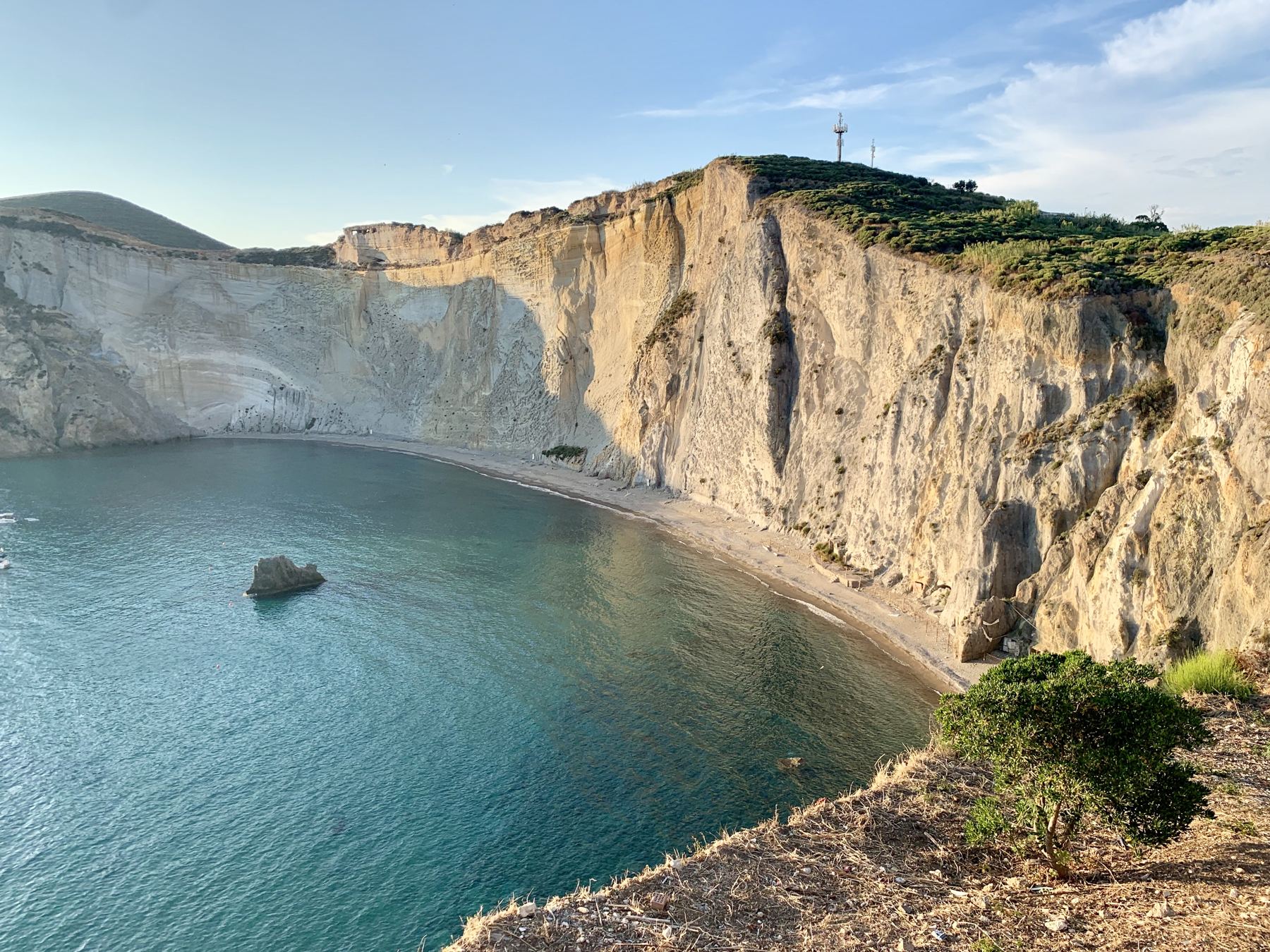
Chiaia di Luna. One of the island's most beautiful beaches, and where boats shelter when the levante blows. It has been closed to the public for years because of rockfalls, but it is worth seeing from the sea.
Cala Felci. On the north-east side of the island, the bay faces Circeo and Zannone. Stunning.
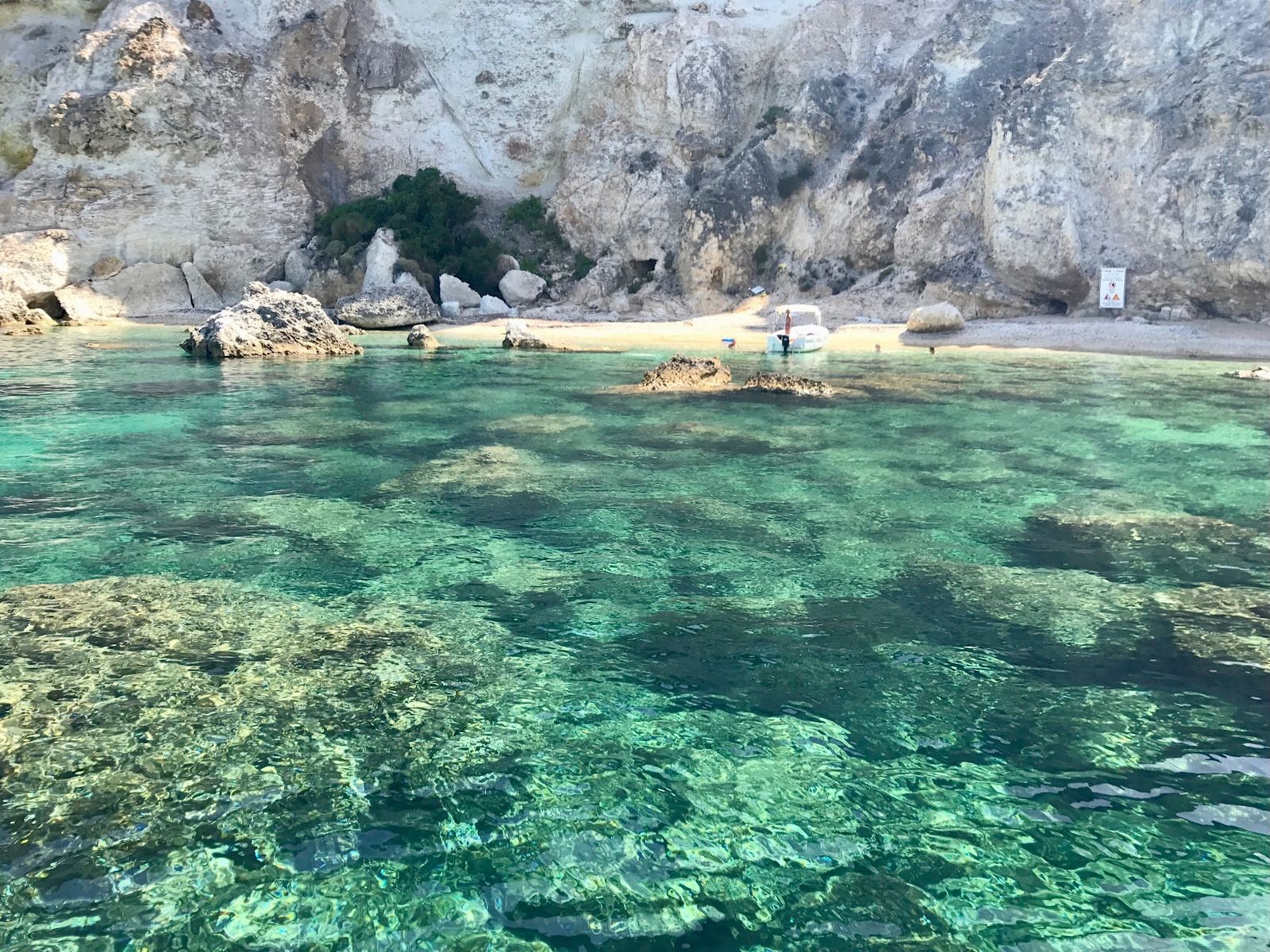
Lucia Rosa. Large and popular with yachts, which have room to anchor here.
Il Bagno Vecchio. On the south side, close to the harbour. Very pretty.
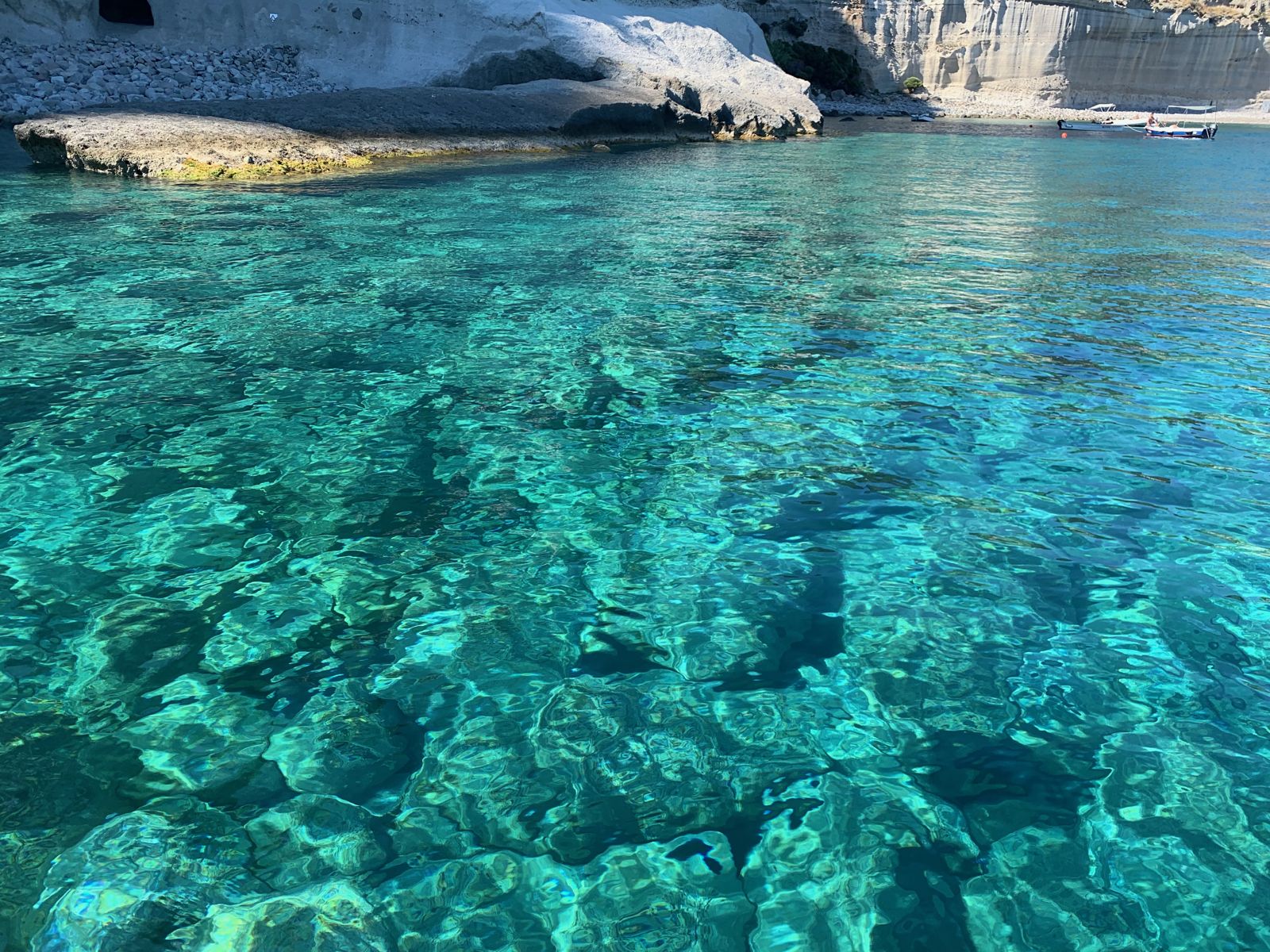
La Parata. A bay just behind the harbour, well sheltered from westerly and north-westerly winds. A great wall of white rock and clear, deep-blue water.
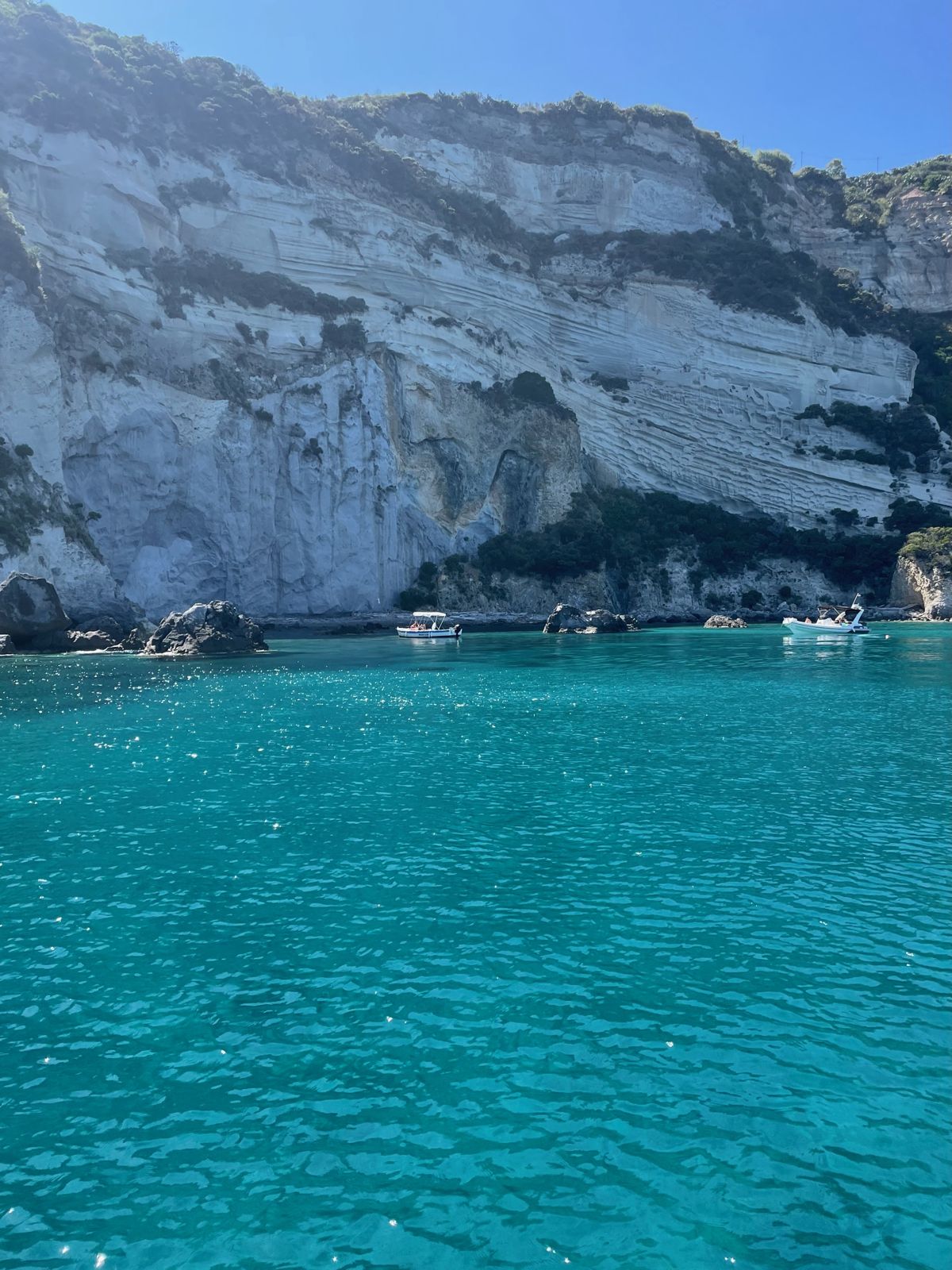
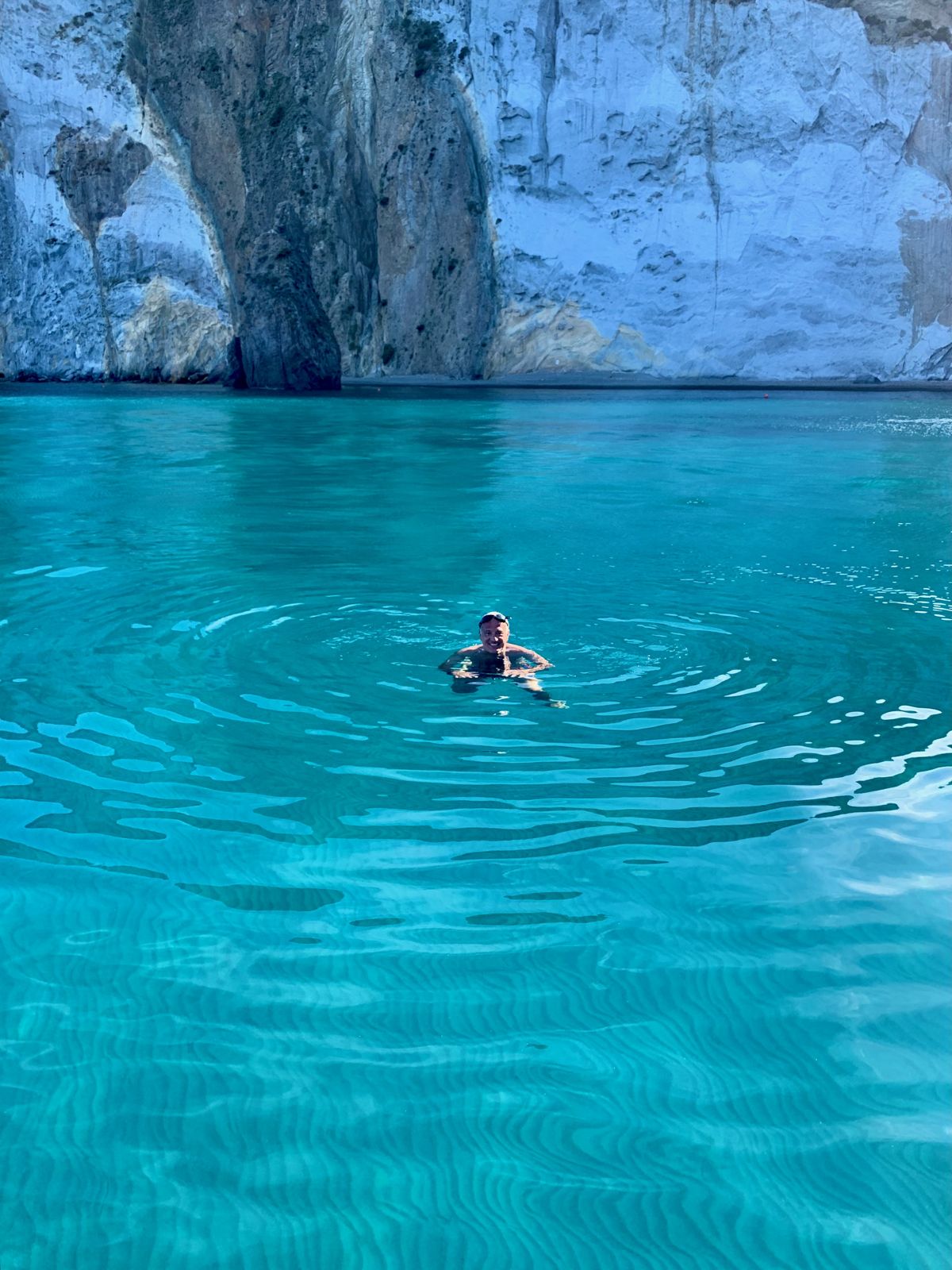
Cala del Core. The perfect last stop of the day on the boat back to the harbour. It takes its name from the patch of red rock in the white face of the cliff, shaped like a bleeding heart (core). The seabed is white sand and the cove is always sheltered from the westerly winds that pick up in the afternoon, so the water is spectacular, just like a swimming pool.
The neighbouring islands: Palmarola and Zannone
Palmarola and Zannone are protected natural areas, managed by the Circeo National Park. Zannone is part of the national park itself.
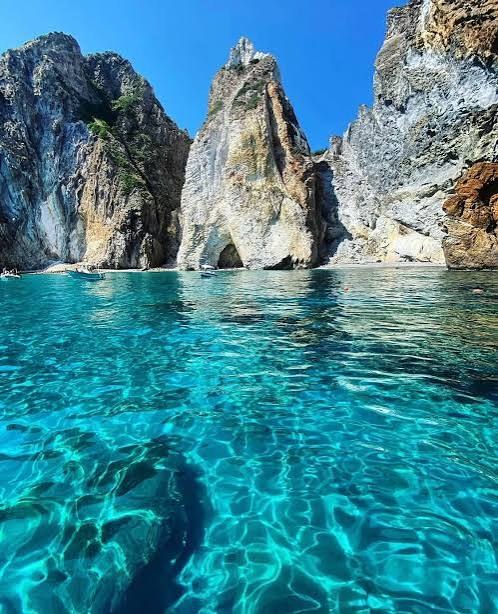
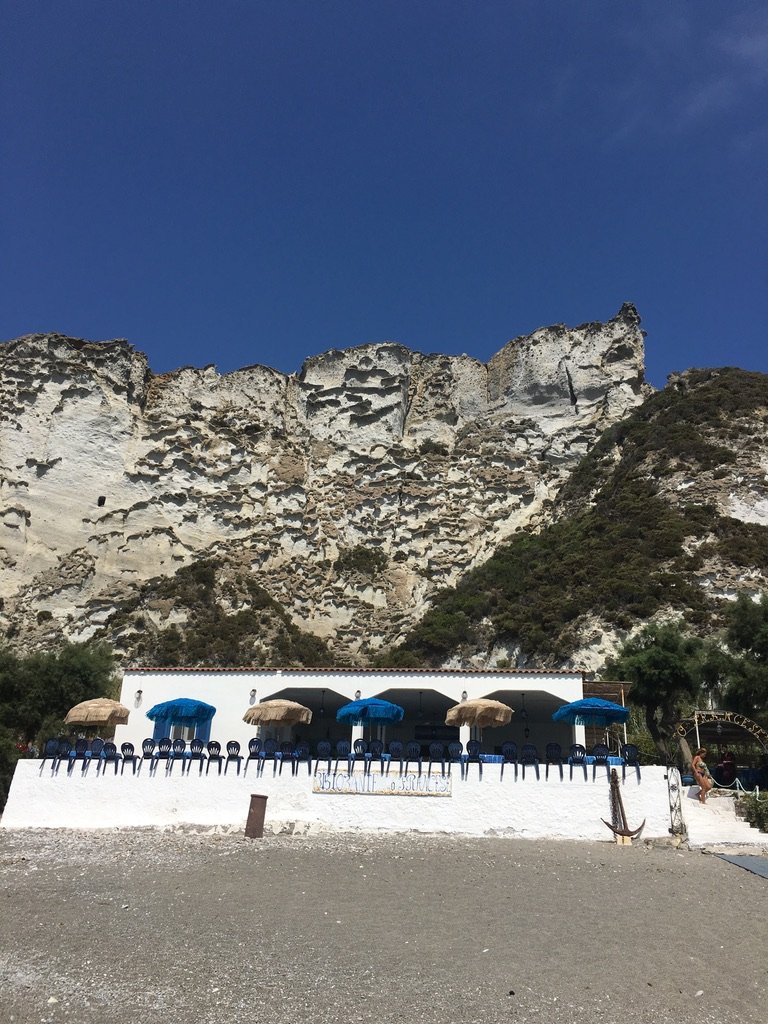
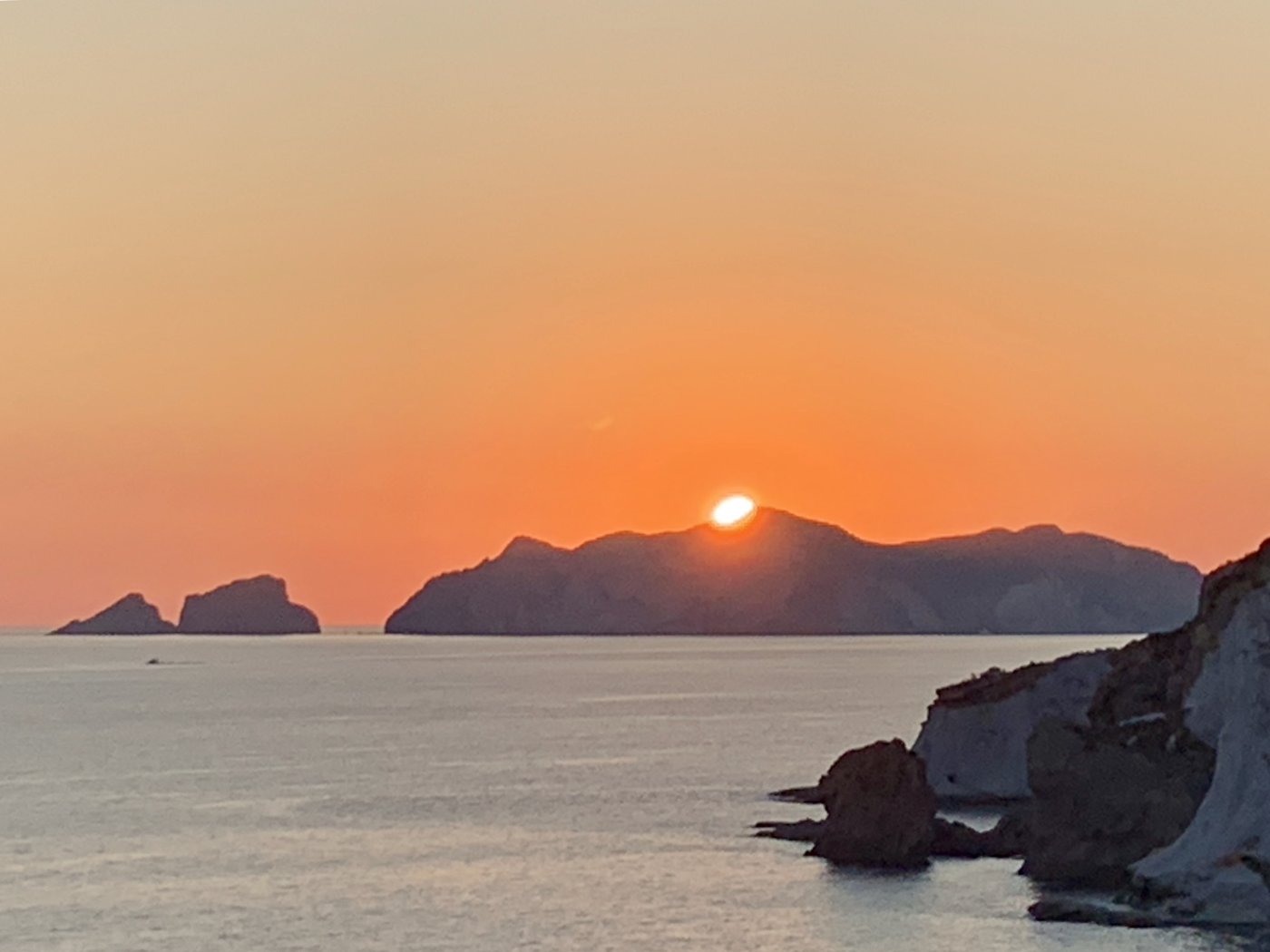
Palmarola. West of Ponza, it has even more coves and extraordinary water. It is also full of history: Pope Silverius, deposed in the 6th century and now the patron saint of Ponza, died here in exile. On the beach there is a small restaurant, "il Francese", the Frenchman, with excellent fish and cooking: perfect for lunch. There are caves and a few dwellings cut into the rock, and you can even sleep on the island, in a cave just behind il Francese. It is not comfortable, but it is an adventure.
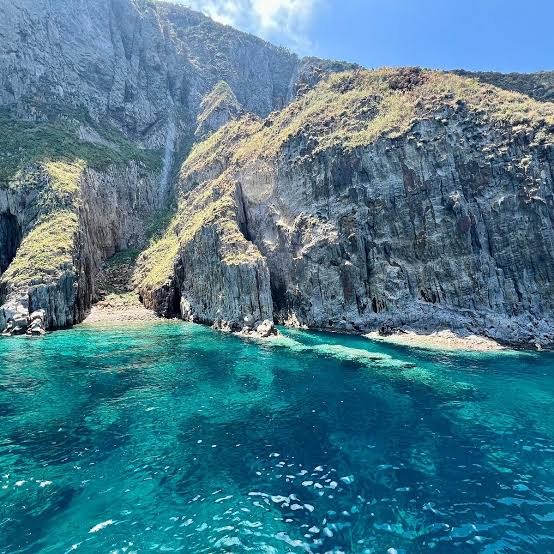
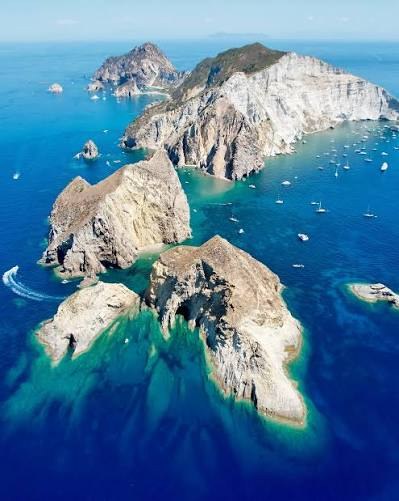
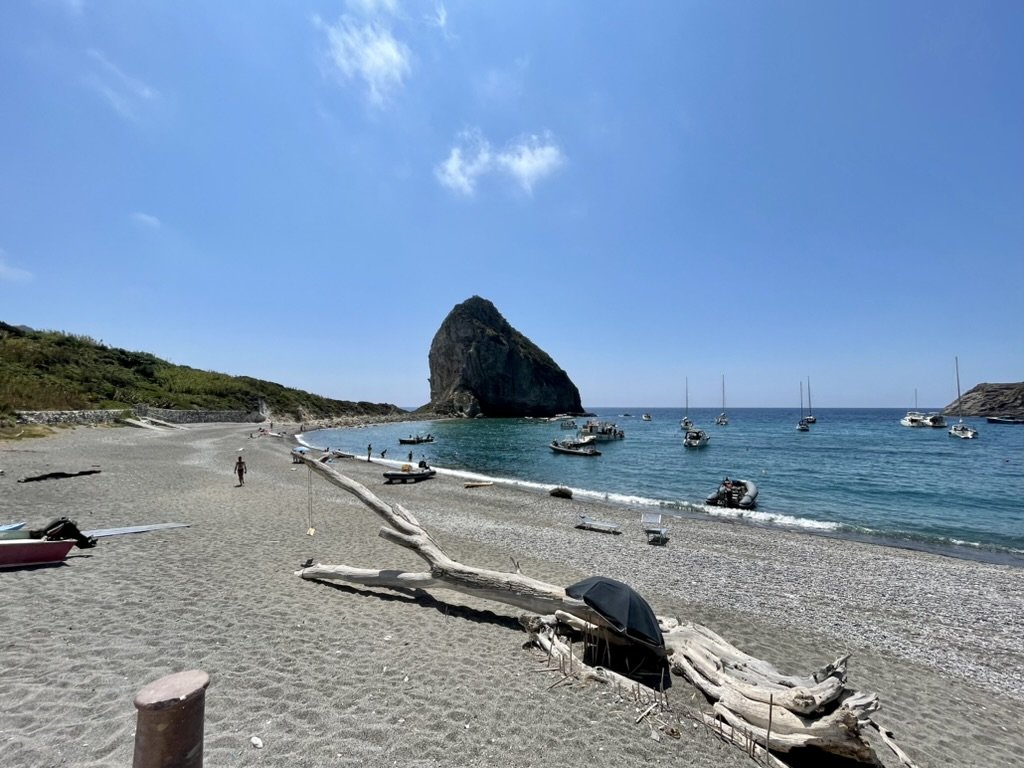
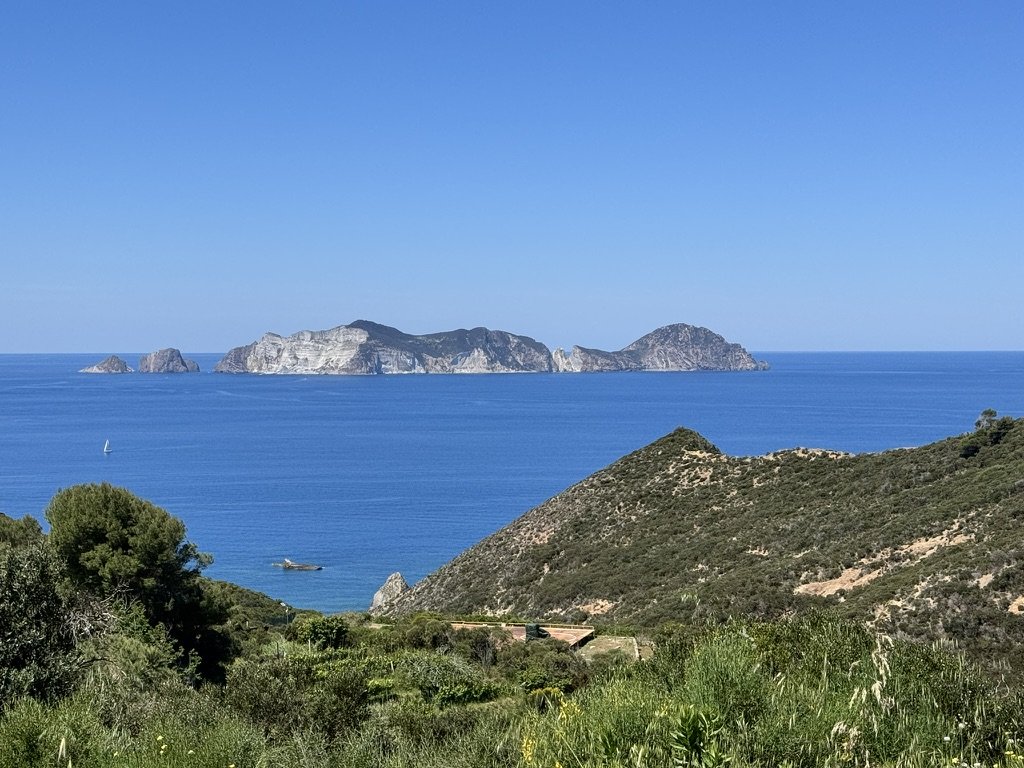
Zannone. Rounder and wilder, with only a couple of places to stop for a swim. There is nowhere to stay. It was once a hunting reserve and is famous for its mouflon, a wild mountain sheep.